Hardly a day goes by without another claim about artificial intelligence and the way it will transform our lives, our work, and our future. AI will cure disease. AI will create new industries. AI will make us more productive. AI will make us dumber. AI will replace us.
In the noise between hype and hysteria, one question matters more than most: who should we trust to decide how these technologies are used?
The owners of big tech, and their advocates, often reassure us that after a period of disruption, AI will create new jobs, new industries, and shared prosperity. We have heard this argument before. New technologies have always lifted productivity, they say. Progress is uncomfortable at first, but disruption eventually gives way to opportunity.
Sometimes it does. But not for everyone.
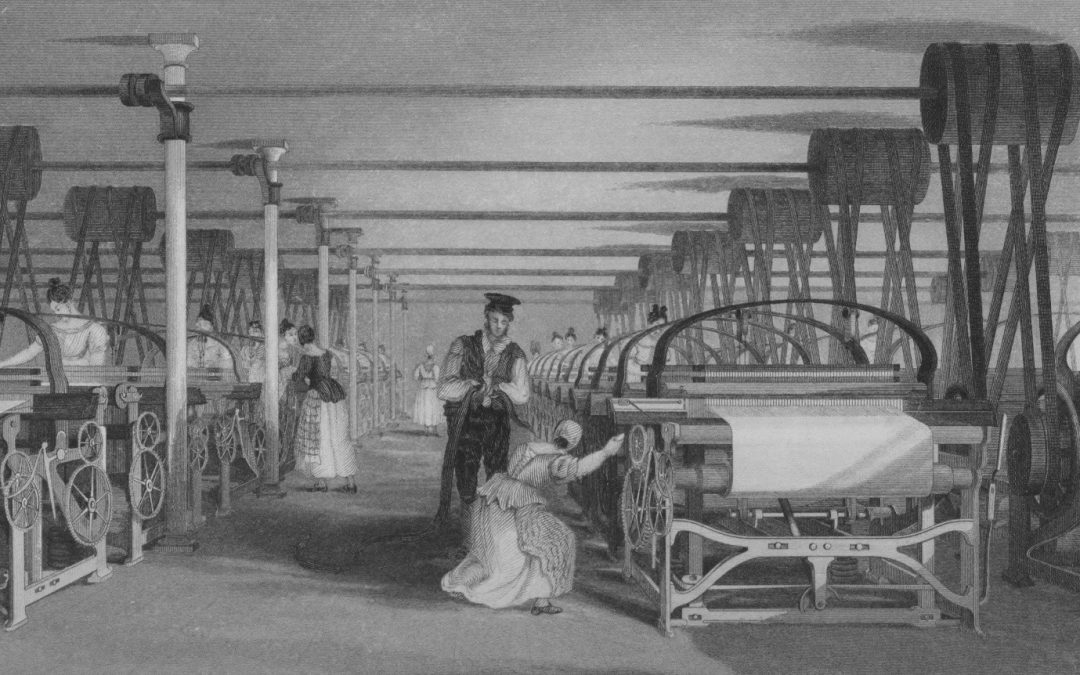
When mechanised weaving spread through Britain in the early nineteenth century, it created enormous gains for factory owners and consumers. It also destroyed the livelihoods, wages, and status of skilled handloom weavers over a remarkably short period of time. The lesson is not that AI will repeat this history exactly. The lesson is straightforward: technological progress always has winners and losers, and the distribution of those gains is not automatic.
That is the leadership question at the heart of The Friendly Takeover.
AI is already automating the work of human managers. It allocates tasks, monitors performance, tracks output, shapes incentives, and increasingly influences decisions about hiring, promotion, discipline, and dismissal. At the same time, AI companions, coaches, and counsellors are beginning to reshape our relationship with technology at a more personal and emotional level.
Put these two developments together and a new possibility emerges. Management becomes automated first. Then the relational work of leadership, feedback, reassurance, motivation, influence and trust, starts to be simulated as well.
This is what I call hyper-automated leadership.
It will not arrive dramatically. It will arrive gradually, through dashboards, nudges, coaching tools, productivity platforms, digital assistants, and systems that promise to make work easier. Like an overnight software update, organisations will steadily automate more of the task and relationship functions that humans traditionally performed.
The benefits will be real. AI can improve efficiency, reduce drudgery, support better decisions, and help leaders see patterns they might otherwise miss. But the risks are equally real. If we are not careful, these systems will quietly narrow human agency, increase surveillance, intensify pressure, and make control feel like support.
Leaders now face a choice.
They can adopt AI primarily to maximise efficiency, reduce cost, and concentrate advantage. Or they can use these technologies in ways that protect judgement, preserve trust, and distribute the benefits of automation more fairly.
The Friendly Takeover is a call to act before our options narrow. It is not an argument against AI. It is an argument for responsible leadership at the moment we need it most.
The future of work will not be shaped by technology alone. It will be shaped by the leaders who decide what to automate, what to protect, who benefits, and who is left to absorb the cost.
That conversation needs to start now.